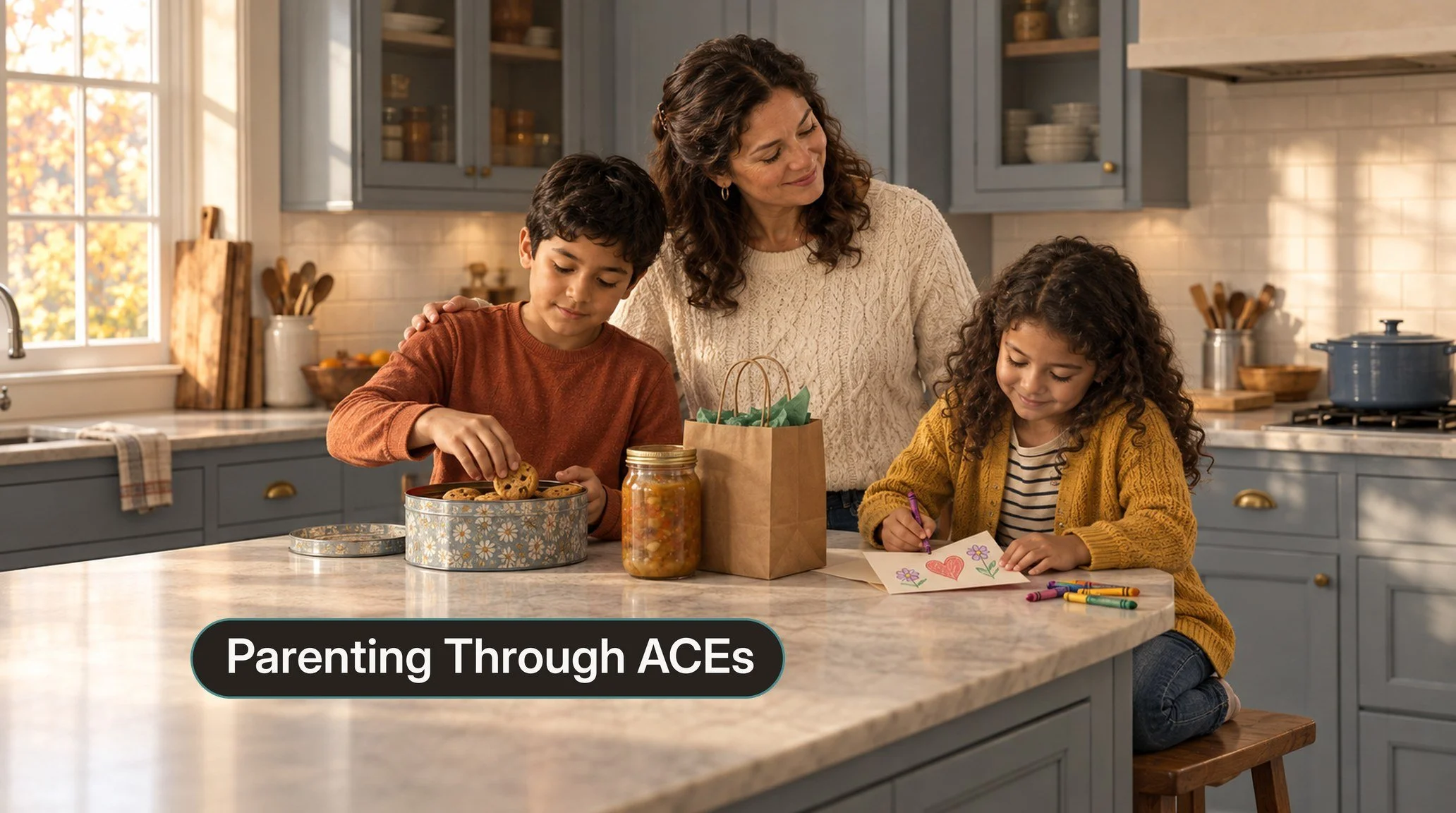
Caring Without Carrying: Teaching Children Empathy and Compassion in High-Conflict Divorce
Children in high-conflict families are often deeply tuned in to other people's feelings. Learn how to nurture healthy empathy and compassion through perspective-taking, kindness, and helping others, without your child taking on adult emotions.

Turtle, Owl, and Tiger Talk: Teaching Children Assertive Communication After High-Conflict Divorce
Children who grow up around high conflict often learn to hide their feelings or let them explode. Learn how Turtle, Owl, and Tiger Talk help children understand communication styles and practice speaking up in a calm, clear, and respectful way.
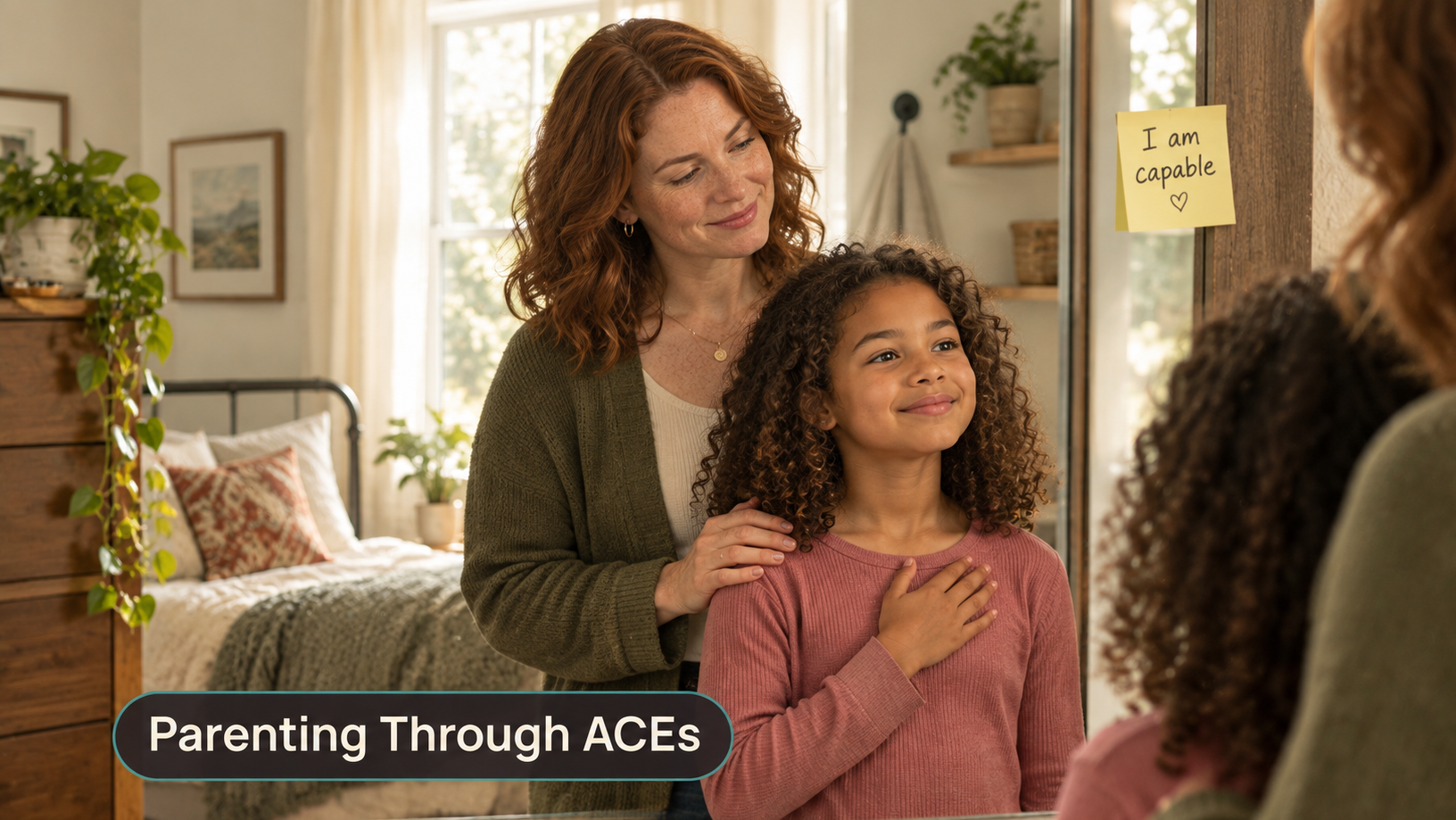
How to Teach Children Healthy Self-Talk in High-Conflict Families
The way children talk to themselves can shape how they respond to mistakes, disappointment, and change. Learn how to help your child notice unhelpful thoughts and develop more supportive, believable self-talk—especially when family life feels uncertain.

Flexible Thinking: Helping Children Build Resilience in an Unpredictable World
Flexible thinking helps children adapt when plans change, emotions feel big, or life feels unpredictable. Learn practical ways to teach children to consider new perspectives, identify what is in their control, and build resilience during high-conflict divorce.

Helping Children Build Self-Control in High-Conflict Divorce
High-conflict divorce can expose children to intense reactions and unpredictable behavior. Learn practical ways to teach self-control through calm modeling, the Power of Pause, clear expectations, and consistent consequences.

Why Teaching Emotion Regulation Matters for Children in High-Conflict Divorce
High-conflict divorce can bring big feelings for children—especially around transitions, uncertainty, and divided loyalties. Learn practical, child-centered ways to teach emotion regulation, build emotional vocabulary, and help your child feel safer, more understood, and more capable.

Challenging Behavior After Divorce: What Your Child May Be Communicating
When children are growing up amid high-conflict divorce or coercive control, challenging behavior may communicate stress, fear, dysregulation, or a skill they have not yet learned. Learn how to respond with empathy, steady boundaries, and resilience-building guidance.

Positive Childhood Experiences: Building the Protective Buffer Your Child Needs in High-Conflict Co-Parenting
Discover how Positive Childhood Experiences (PCEs) protect kids from the impact of ACEs, and practical ways to help children access them in high-conflict co-parenting situations.

Secure Attachment in High-Conflict Co-Parenting: Why One Safe Relationship Changes Everything
You can't control the conflict in your co-parenting relationship, but you can offer your child something powerful: one relationship that feels safe, steady, and emotionally available. This article breaks down the four attachment styles, how they develop, and why a secure attachment with even one caregiver can buffer a child from the stress of high-conflict divorce — plus six practical ways to build more security when your child already shows insecure patterns.

Mindfully Parenting Through ACEs in a High‑Conflict Reality
Parenting in a high‑conflict co‑parenting situation means your nervous system is on constant alert. This article explores how trauma‑sensitive mindfulness can help you pause, orient around “What does my child need from me right now?”, and teach your children to trust their own thoughts and feelings—even when another parent is stirring up fear, confusion, or loyalty conflicts.

How ACEs Shape Your Child’s Stress Response
Learn how Adverse Childhood Experiences (ACEs) reshape your child’s stress response—fight, flight, freeze, and fawn—and how a steady, trauma-informed parent can buffer toxic stress and support healing.

Parenting Through ACEs: Resilience Skills Series
Parenting through high-conflict divorce, coercive control, or domestic violence can leave you wondering what all of this is doing to your child. This introductory post launches the Parenting Through ACEs: Resilience Skills Series, a weekly, trauma-informed guide to helping kids exposed to ACEs feel safer, more supported, and more resilient—starting with what you can still control in your own home.