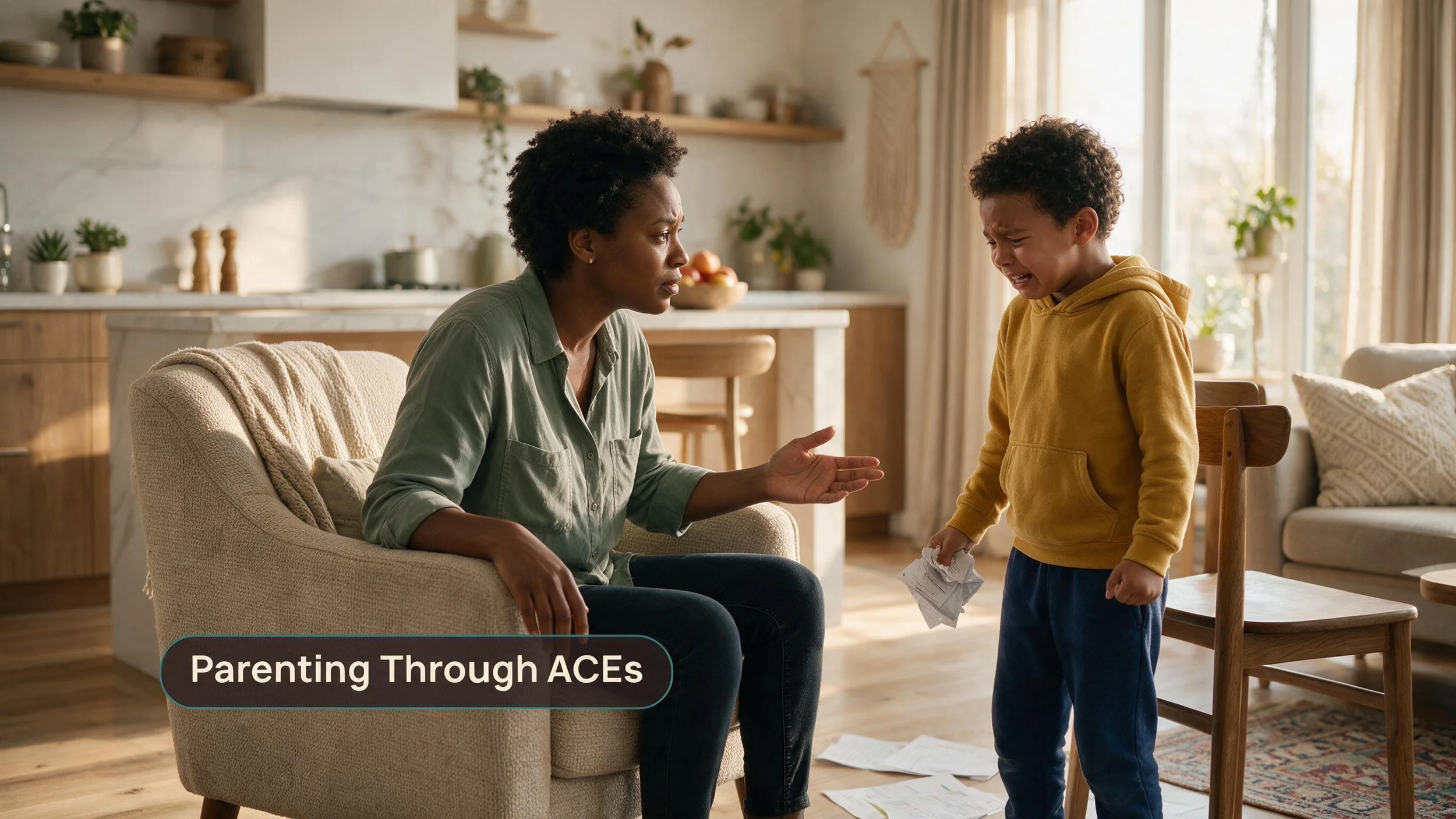
Challenging Behavior After Divorce: What Your Child May Be Communicating
When children are growing up amid high-conflict divorce or coercive control, challenging behavior may communicate stress, fear, dysregulation, or a skill they have not yet learned. Learn how to respond with empathy, steady boundaries, and resilience-building guidance.

Secure Attachment in High-Conflict Co-Parenting: Why One Safe Relationship Changes Everything
You can't control the conflict in your co-parenting relationship, but you can offer your child something powerful: one relationship that feels safe, steady, and emotionally available. This article breaks down the four attachment styles, how they develop, and why a secure attachment with even one caregiver can buffer a child from the stress of high-conflict divorce — plus six practical ways to build more security when your child already shows insecure patterns.
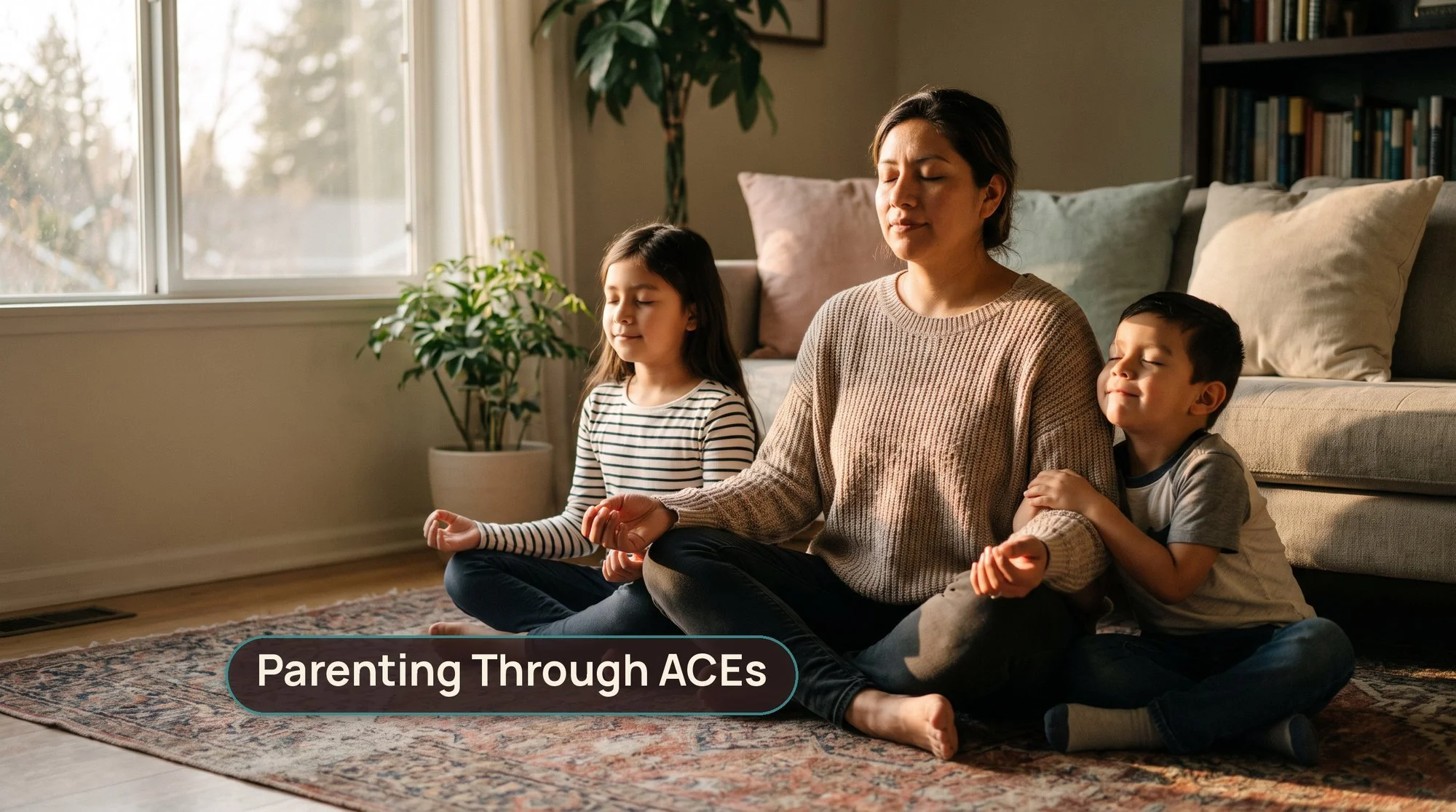
Mindfully Parenting Through ACEs in a High‑Conflict Reality
Parenting in a high‑conflict co‑parenting situation means your nervous system is on constant alert. This article explores how trauma‑sensitive mindfulness can help you pause, orient around “What does my child need from me right now?”, and teach your children to trust their own thoughts and feelings—even when another parent is stirring up fear, confusion, or loyalty conflicts.

Claiming your Freedom: Independence Day Reflections for Protective Parents in High‑Conflict Relationships
When everyone else is celebrating freedom, protective parents in high‑conflict relationships are quietly fighting for safety. This Independence Day reflection explores how you can begin claiming emotional freedom—for yourself and your children—whether you’ve left or are still planning your way out.