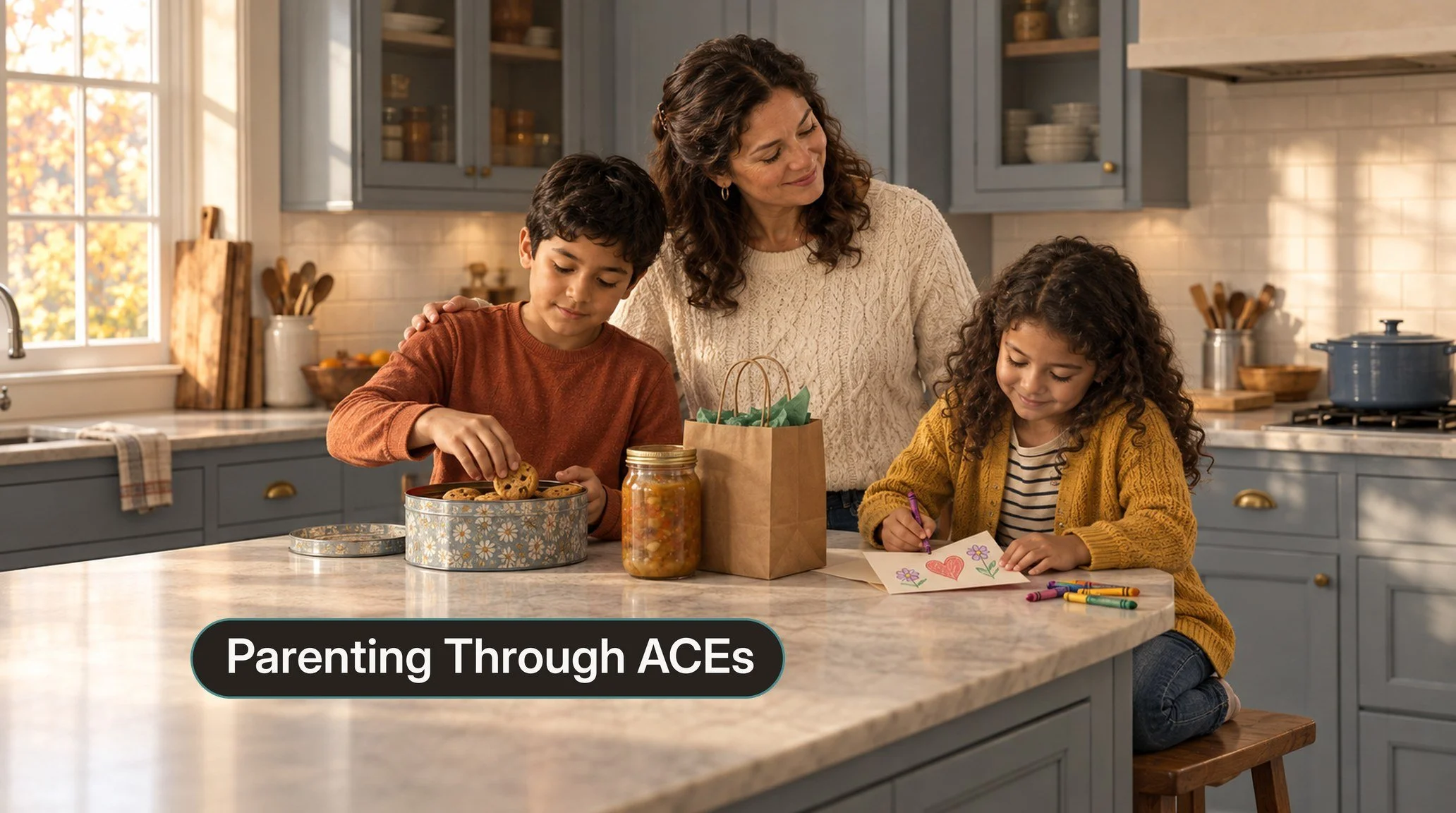
Caring Without Carrying: Teaching Children Empathy and Compassion in High-Conflict Divorce
Children in high-conflict families are often deeply tuned in to other people's feelings. Learn how to nurture healthy empathy and compassion through perspective-taking, kindness, and helping others, without your child taking on adult emotions.
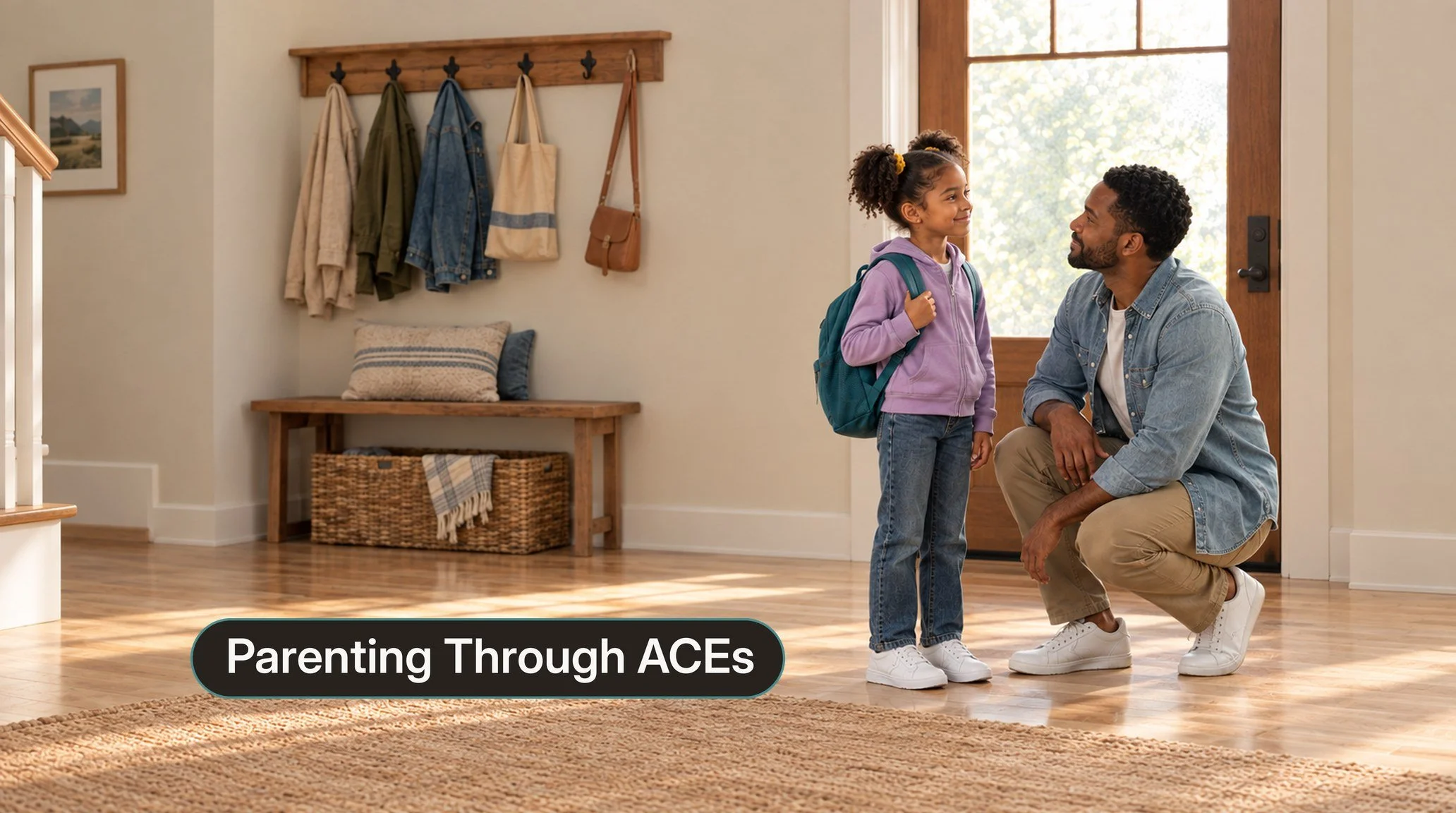
Turtle, Owl, and Tiger Talk: Teaching Children Assertive Communication After High-Conflict Divorce
Children who grow up around high conflict often learn to hide their feelings or let them explode. Learn how Turtle, Owl, and Tiger Talk help children understand communication styles and practice speaking up in a calm, clear, and respectful way.

Flexible Thinking: Helping Children Build Resilience in an Unpredictable World
Flexible thinking helps children adapt when plans change, emotions feel big, or life feels unpredictable. Learn practical ways to teach children to consider new perspectives, identify what is in their control, and build resilience during high-conflict divorce.

Helping Children Build Self-Control in High-Conflict Divorce
High-conflict divorce can expose children to intense reactions and unpredictable behavior. Learn practical ways to teach self-control through calm modeling, the Power of Pause, clear expectations, and consistent consequences.

Secure Attachment in High-Conflict Co-Parenting: Why One Safe Relationship Changes Everything
You can't control the conflict in your co-parenting relationship, but you can offer your child something powerful: one relationship that feels safe, steady, and emotionally available. This article breaks down the four attachment styles, how they develop, and why a secure attachment with even one caregiver can buffer a child from the stress of high-conflict divorce — plus six practical ways to build more security when your child already shows insecure patterns.

The Co-Parenting Decision Framework: A Calm System for Parenting with a High-Conflict Ex
A simple co-parenting decision framework to help you stay calm, protect your child, and make clear choices when you’re dealing with a high-conflict co-parent.

How to Stop Reacting to Manipulation in High-Conflict Co-Parenting
If you’re co-parenting with someone who twists your words, blames you, or knows exactly how to trigger you, learning how to stop reacting to manipulation is essential. This guide walks you through calm, child-centered strategies to protect your energy and respond without being pulled into their emotional traps.

Co-Parenting Red Flags: What Courts Look For (and How to Build Healthy Habits Instead)
Co-parenting with a high-conflict ex can leave you constantly wondering if you’re saying or doing the “right” thing—especially when court is involved. This article breaks down what judges tend to look for, the everyday behaviors that quietly raise red flags, and the child-centered habits that actually protect both your kids and your credibility. You’ll also find practical repair scripts and self-reflection questions to help you course-correct without shame and keep your child out of the middle.

High-Conflict Co-Parent, High-Stakes Summer: How To Handle Schedules, Camps, and Vacations Without Losing Your Mind
Summer is supposed to be fun, but with a high‑conflict co‑parent it can feel like a three‑month stress test. This guide offers calm, child‑centered strategies for schedules, camps, and vacations so you don’t lose yourself in the chaos.

To the Mother Finding Her Way: Reclaiming Peace on a Complicated Mother’s Day
If Mother’s Day feels heavy in the middle of high-conflict co-parenting, you are not alone. Learn how to reclaim a sense of peace, create a soft landing for your kids, and remember your worth as a mom.

How to Organize Evidence for Your Attorney
Navigating a high-conflict custody battle is overwhelming, but your documentation doesn’t have to be. Learn how to organize evidence for your attorney, focus on child-centered patterns, and avoid common documentation mistakes in high-conflict co-parenting cases.

Is My Ex High-Conflict? 10 Signs You’re Co-Parenting in a Storm
What is a high-conflict co-parent, and how do you manage one? This guide breaks down the patterns of high-conflict behavior—including DARVO, projection, and gatekeeping—and introduces the BIFF method for communication. Discover why parallel parenting is often the healthiest choice for children and how to set boundaries that actually stick.